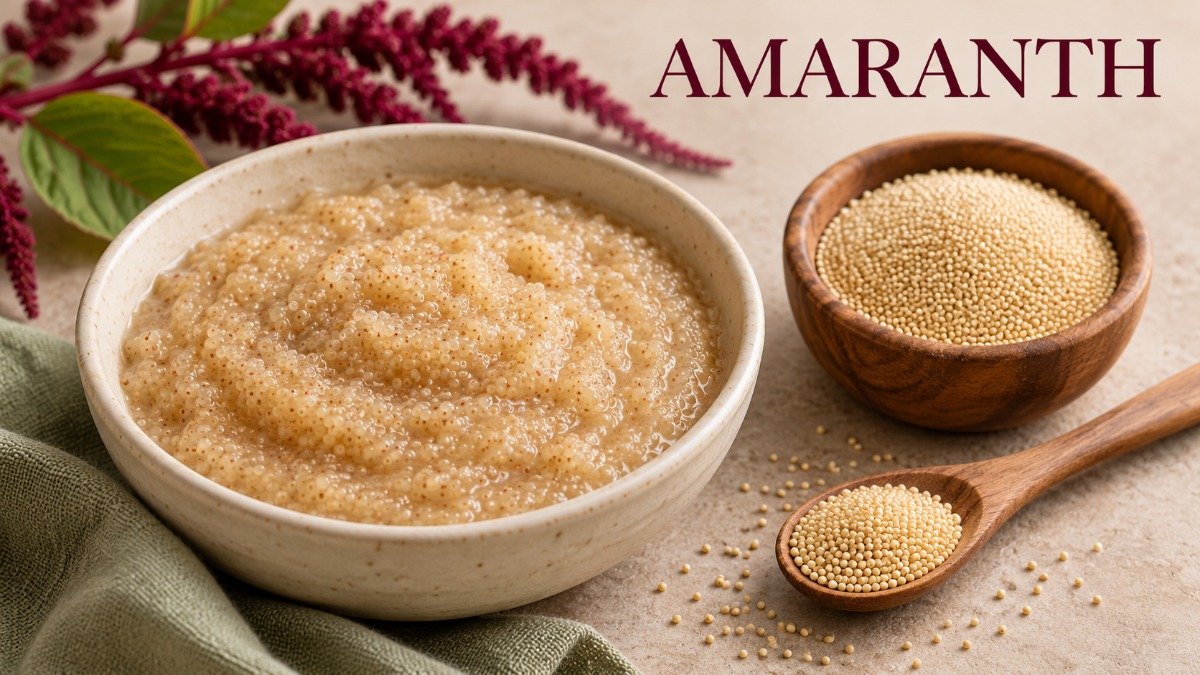
Amaranth refers to plants in the Amaranthus genus whose tiny edible seeds are prepared much like grains. These seeds are pseudocereals, meaning they come from plants outside the grass family but have similar culinary uses. Plain amaranth is naturally gluten-free, and its seeds can be simmered into porridge, added to soups, popped, or ground into flour.
Some amaranth varieties are also grown for their edibAmaranth: What It Is, Nutrition, and How to Cook It
Amaranth refers to plants in the Amaranthus genus whose tiny edible seeds are prepared much like grains. These seeds are pseudocereals, meaning they come from plants outside the grass family but have similar culinary uses. They are naturally gluten-free and can be simmered into porridge, added to soups, popped, or ground into flour.
Some varieties are also grown for their edible leaves or colorful ornamental flower heads. In the grocery aisle, however, the name usually refers to the seeds or products made from them.
What Does Amaranth Taste Like?
The seeds have an earthy, mildly nutty flavor. Some people notice grassy or peppery notes, especially when they are cooked without other ingredients.
They are much smaller than quinoa. As they simmer, they form a thick mixture while retaining a slight bite. Expect a spoonable texture rather than the loose, separate grains you might want for a rice salad.
That consistency makes them useful for breakfast porridge and thickening soups. Cinnamon, fruit, and nuts suit sweet preparations, while broth, vegetables, and herbs work well in savory dishes.
Read also: How to Eat Coconut Cult Yogurt: A Practical First-Jar Guide
Amaranth Nutrition and Benefits
Cooked seeds provide carbohydrates for energy along with protein, fiber, and several minerals. The following approximate values apply to 1 cup of plain cooked seeds, weighing 246 grams.
| Nutrient | Amount per cooked cup |
| Calories | About 250 |
| Protein | 9.3 g |
| Carbohydrate | 46 g |
| Fiber | 5.2 g |
| Fat | 3.9 g |
| Magnesium | 160 mg |
| Iron | 5.2 mg |
These figures describe cooked seeds, not a cup of dry grain or flour. Water absorption affects the weight and nutrient concentration of a finished batch, while milk, oil, sweeteners, and toppings change its nutrition.
Its practical nutritional benefits are straightforward: this pseudocereal adds plant protein, fiber, and minerals to meals and offers another option for people avoiding gluten. Its protein contains all nine essential amino acids, although a varied diet remains important.
It is also a carbohydrate-rich food. Being gluten-free does not make it carbohydrate-free, and its nutrient content does not establish that it treats disease or causes weight loss.
Is Amaranth Gluten Free?
Plain amaranth seeds and pure flour made from them are naturally gluten-free. A finished product may still include wheat, barley, rye, or other gluten-containing ingredients.
Cross-contact can also occur during harvesting, milling, packaging, or food preparation. If you have celiac disease or otherwise need strict gluten avoidance, choose products labeled gluten-free and check ingredient lists, especially on flour blends and breakfast cereals.
For packaged foods covered by US gluten-free labeling rules, the claim requires compliant ingredients and less than 20 parts per million of gluten. Labeling rules can differ elsewhere.
How to Cook Amaranth
For a simple porridge, use 1 US cup of dry seeds with 3 US cups of water—approximately 710 mL. Measure both by volume; a cup of seeds does not weigh the same as a cup of water.
- Bring the water to a boil. Add the seeds and a small pinch of salt if desired.
- Return to a boil, then reduce the heat. Cover and maintain a gentle simmer.
- Cook for about 20–30 minutes. The seeds should become tender and the mixture should thicken.
- Adjust the consistency. Add a little more water if it becomes too thick before the seeds are ready.
Serve the porridge with fruit and nuts, or season it for a savory dish. The seeds may retain a slight crunch even when cooked.
Cooking directions vary by product and intended use. Some methods call for less liquid, so follow package instructions when preparing something other than porridge. Do not expect the finished mixture to become as fluffy as quinoa.
Ways to Use Amaranth
Choose the form that suits your meal. Whole seeds, popped seeds, and flour behave differently in the kitchen.
- Breakfast porridge: Cook the seeds until thick, then add your preferred fruit, spices, or yogurt.
- Soups and stews: Add a small amount of whole seeds and allow enough liquid and cooking time for them to soften.
- Popped toppings: Use popped grains over yogurt, cereal, or salads. The tiny seeds can burn quickly when popping, so prepare small batches and watch closely.
- Baking: Use flour made from the seeds in recipes developed for it, including pancakes, crackers, and flatbreads.
This gluten-free flour does not provide gluten’s structure, so it is not a dependable one-for-one replacement for wheat flour in every recipe. A tested recipe is especially useful for bread and other baked goods that need to rise.
Amaranth vs. Quinoa: Which Should You Use?
Both are naturally gluten-free pseudocereals, but their cooked textures differ. The tiny seeds of the former generally produce a thicker mixture, making them well suited to porridge and soups. Quinoa usually cooks into more distinct grains and is easier to use in salads and grain bowls.
Choose based on the texture you want rather than assuming either is universally healthier. They are not interchangeable in every recipe without adjustments to liquid and cooking time.
Buying and Storing Amaranth
Buy whole seeds for simmering or popping, flour for baking, and ready-popped products when you want a convenient topping. Check the package carefully because cereals and flour blends may contain additional ingredients.
Store dry seeds in a tightly sealed food-grade container in a cool, dry place. Keep flour well sealed in the refrigerator or freezer to help preserve freshness after milling.
Storage life depends on the product, packaging, and conditions, so follow the package guidance rather than relying on one shelf-life estimate. Avoid using seeds or flour that smell rancid or show signs of moisture or mold.
Frequently Asked Questions
Does amaranth need to be soaked before cooking?
No soaking is required for the stovetop porridge method above. You can cook the dry seeds directly in water. If a particular recipe calls for soaking, follow its directions because soaking may change the cooking time and liquid needed.
Can you eat amaranth leaves as well as the seeds?
Yes. Some varieties are cultivated specifically for their edible leaves, which can be cooked as leafy greens. Buy leaves sold for food rather than assuming an unidentified wild or ornamental plant is suitable to eat.
Is amaranth the same as millet?
No. Millet refers to several true cereal grasses, while this plant is a pseudocereal from a different family. Both can be used in grain-based dishes, but their flavors, textures, and cooking requirements differ.
Why does cooked amaranth seem sticky?
The seeds release starch as they cook, creating a thick mixture around them. This texture is normal and suits porridge or soup. Using less water does not necessarily produce the separate, fluffy texture associated with rice or quinoa.
Why don’t all amaranth seeds pop?
Not every seed will pop in a batch, and continued heating can burn those that have already popped. Work in small batches, keep the seeds moving, and remove them promptly when most have popped rather than waiting for every seed.