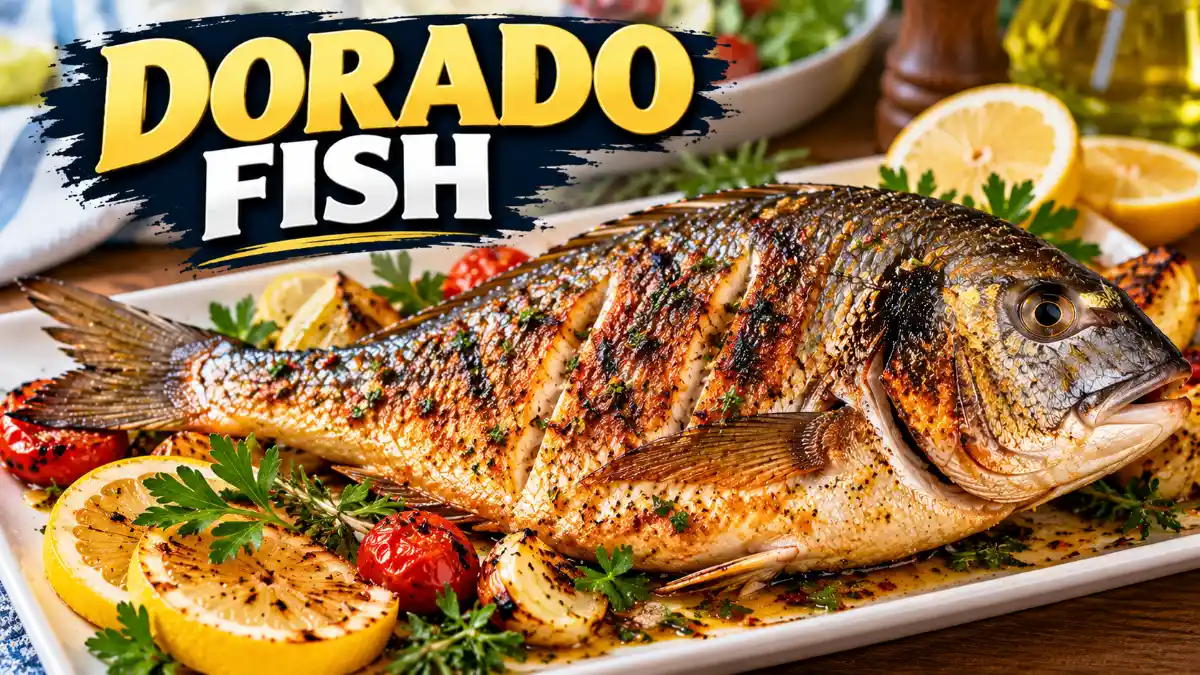
Dorado fish, commonly known as mahi-mahi or dolphinfish, is a nutritious seafood choice rich in lean protein, vitamin B12, selenium, and other essential nutrients. A 100-gram serving of raw mahi-mahi provides approximately 85 calories, 18.5 grams of protein, and just 0.7 grams of fat. It can support muscle health, normal immune function, and a balanced diet. However, because dorado contains mercury, choosing appropriate portions is important, especially during pregnancy.
Dorado is popular for its mild flavor, firm texture, and versatility in cooking. Whether you’re trying to eat healthier, manage your weight, or add more seafood to your meals, understanding its nutritional benefits and possible risks can help you make informed choices.
What Is Dorado Fish?
Dorado is a fast-growing ocean fish scientifically known as Coryphaena hippurus. It belongs to the dolphinfish family and is commonly sold as mahi-mahi in American seafood markets.
Despite its name, dolphinfish is not related to dolphins, which are marine mammals.
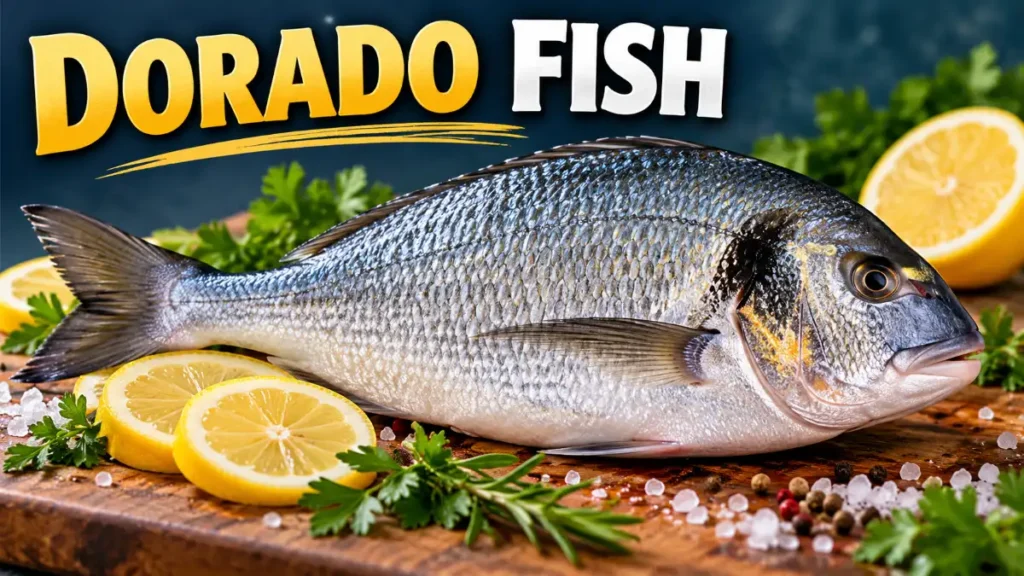
Dorado typically has a bright golden-green body with blue coloring. It lives in warm tropical and subtropical ocean waters and is valued for its firm, slightly sweet flesh.
The name “dorado” can also refer to other fish species in certain regions. This article specifically discusses ocean dorado, or mahi-mahi, rather than freshwater golden dorado.
Dorado Fish Nutrition Facts
Dorado offers considerable protein without adding many calories or saturated fats.
The following nutritional values are based on 100 grams of raw mahi-mahi, according to NOAA Fisheries.
| Nutrient | Amount per 100 g |
| Calories | 85 kcal |
| Protein | 18.5 g |
| Total fat | 0.7 g |
| Saturated fat | 0.19 g |
| Carbohydrates | 0 g |
| Cholesterol | 73 mg |
| Sodium | 88 mg |
| Selenium | 36.5 mcg |
Dorado also supplies vitamin B12, vitamin B6, niacin, potassium, and phosphorus. Actual nutritional values can change depending on portion size, cooking technique, and added ingredients.
7 Health Benefits of Dorado Fish
1. Supports Muscle Growth and Repair
Dorado provides high-quality protein containing essential amino acids needed for muscle maintenance and tissue repair.
Its relatively low fat content makes it useful for individuals who want to increase protein intake without consuming large amounts of calories.
Eating it alongside vegetables and whole grains creates a balanced meal that can support an active lifestyle.
2. Contributes to Heart Health
Dorado contains little saturated fat, making it a practical alternative to some higher-fat meats.
Replacing foods rich in saturated fat with lean seafood can be part of a heart-conscious eating pattern.
Although dorado contains some omega-3 fatty acids, it is not as rich in these fats as salmon or sardines. Its main nutritional strengths are protein and several vitamins and minerals.
3. Helps Maintain a Healthy Immune System
Selenium is an important mineral involved in antioxidant defenses and normal immune function.
Dorado provides approximately 36.5 micrograms of selenium per 100 grams, according to NOAA.
Adequate selenium supports essential cellular processes, although eating additional selenium beyond your nutritional requirements does not automatically improve immunity.
4. Supports Brain and Nervous System Function
Vitamin B12 is necessary for healthy nerve function and red blood cell production.
Dorado also contains vitamin B6, which contributes to normal nervous system function and protein metabolism.
Including foods that provide these vitamins can help prevent inadequate nutrient intake as part of a varied diet.
5. May Help With Weight Management
A 100-gram raw serving contains only about 85 calories while supplying 18.5 grams of protein.
Protein can promote fullness, making dorado a useful option when planning calorie-conscious meals.
However, weight management depends on overall eating habits, portion sizes, and physical activity. Fried fish covered in heavy batter or high-calorie sauces may provide substantially more calories.
6. Supports Normal Energy Metabolism
Dorado contains niacin and vitamin B6, nutrients that help the body use energy from food.
It also provides phosphorus, which participates in energy-related cellular processes.
These nutrients support normal metabolism, but eating dorado will not necessarily produce an immediate energy boost.
7. Helps Maintain Healthy Bones
Phosphorus plays an important role in the structure of bones and teeth.
Dorado supplies this mineral along with protein, which contributes to maintaining healthy body tissues.
Nevertheless, dorado should not be considered a replacement for other sources of calcium, vitamin D, or a balanced diet.
Is Dorado Fish High in Mercury?
Dorado contains mercury, but it is not among the highest-mercury fish.
The U.S. Food and Drug Administration classifies mahi-mahi as a “Good Choices” fish rather than a “Best Choices” fish. Its average mercury concentration in FDA monitoring data is approximately 0.18 parts per million.
For people who are pregnant, might become pregnant, or are breastfeeding, FDA guidance allows one adult serving of mahi-mahi per week, without eating additional fish that week.
For more frequent seafood consumption in these groups, lower-mercury choices such as salmon, sardines, tilapia, and pollock are preferable.
Cooking does not remove mercury from fish.
Is Dorado Fish Safe During Pregnancy?
Dorado can be eaten during pregnancy in limited amounts when thoroughly cooked.
Under FDA recommendations, a 4-ounce portion of mahi-mahi counts as one weekly serving from the “Good Choices” category. Choosing seafood from the “Best Choices” category permits more frequent servings under the agency’s guidance.
Pregnant individuals should also avoid raw or undercooked fish because of foodborne illness risks.
People with fish allergies should avoid dorado unless advised otherwise by an appropriate healthcare professional.
Read Also: Chicken Leg: Nutrition, Benefits, Cooking Methods, and Easy Recipe
How to Cook Dorado Fish for Better Health
Dorado has a mild, slightly sweet taste and firm flesh that works well with different cooking methods.
For healthier meals, consider grilling, baking, steaming, or pan-searing with a small amount of olive oil.
Season the fish with lemon juice, garlic, black pepper, and herbs instead of relying on heavy sauces.
Cook it to an internal temperature of 145°F (63°C), as recommended by the FDA. The flesh should become opaque and separate easily with a fork.
Serve dorado with vegetables, brown rice, quinoa, or a fresh salad for a nutritious meal.
Possible Side Effects and Health Risks
Although dorado offers valuable nutrients, several precautions are worth considering.
Mercury exposure: Regularly eating large amounts may increase mercury exposure, particularly for vulnerable groups.
Fish allergies: Individuals with fish allergies may experience reactions, including potentially serious symptoms.
Foodborne illness: Improperly stored or undercooked seafood may contain harmful microorganisms.
Added sodium: Restaurant preparations, marinades, and packaged seasonings can significantly increase sodium intake.
To reduce food safety risks, refrigerate fresh fish promptly at 40°F (4°C) or below and use it within two days of purchase, or freeze it.
Dorado Fish vs. Salmon: Which Is Healthier?
Both provide nutritious protein, but their nutritional strengths differ.
| Feature | Dorado Fish | Salmon |
| Protein | Excellent source | Excellent source |
| Total fat | Very low | Generally higher |
| Omega-3 fatty acids | Some | Usually substantially more |
| Calories | Relatively low | Generally higher |
| Mercury category | FDA Good Choices | FDA Best Choices |
| Best suited for | Lean protein meals | Omega-3-rich meals |
Salmon is generally preferable for increasing omega-3 intake and minimizing mercury exposure. Dorado is useful for people seeking a lean, mild-flavored protein source.
Frequently Asked Questions About Dorado Fish
1. Is dorado fish healthy to eat?
Yes. Dorado provides protein, selenium, vitamin B12, and other nutrients while being relatively low in calories and saturated fat. It can be part of a balanced diet when eaten in appropriate portions.
2. Is dorado fish good for weight loss?
Dorado can support a calorie-controlled diet because it contains substantial protein with relatively few calories. Grilled or baked preparations are generally preferable to heavily battered, deep-fried versions.
3. Does dorado fish contain omega-3 fatty acids?
Yes, dorado contains omega-3 fats, but generally provides less than fatty fish such as salmon, sardines, and Atlantic mackerel. It should not be considered a particularly rich omega-3 source.
4. Can you eat dorado fish every day?
Eating the same fish every day is not generally recommended, especially when it contains mercury. Varying seafood choices helps diversify nutrient intake and manage contaminant exposure.
5. Is dorado fish safe for children?
Dorado can be included in children’s diets, but mercury exposure and age-appropriate serving sizes matter. The FDA recommends choosing fish from its lower-mercury “Best Choices” category for children’s regular seafood meals.
Conclusion
Dorado fish is a nutritious seafood option that provides lean protein, selenium, and important B vitamins. Its mild flavor and versatility make it suitable for many healthy recipes.
However, its mercury content deserves attention, especially during pregnancy and childhood. Eating appropriate portions, choosing a variety of seafood, and preparing fish safely are the best ways to enjoy its nutritional benefits.