
Chicken is one of the most popular and widely consumed protein sources around the world. It is affordable, versatile, and easy to prepare in different ways, iChicken: Nutrition Facts, 7 Health Benefits, Risks, and Healthy Ways to Eat It
Chicken is one of the most popular and widely consumed protein sources around the world. It is affordable, versatile, and easy to prepare in different ways, including grilling, boiling, baking, roasting, and cooking in curry. From breast to thighs and wings, different cuts provide essential nutrients that support overall health.
This lean meat is particularly rich in high-quality protein, which helps build and repair muscles. It also contains important nutrients such as vitamin B6, vitamin B12, niacin, selenium, phosphorus, and zinc. However, its nutritional value depends on the cut, portion size, cooking method, and ingredients used.
Whether you want to build muscle, manage your weight, or follow a balanced diet, understanding its nutrition and health effects can help you make better food choices.
What Is Chicken?
Chicken is poultry meat obtained from domesticated birds. It is a complete protein source because it contains all nine essential amino acids that the body cannot produce on its own.
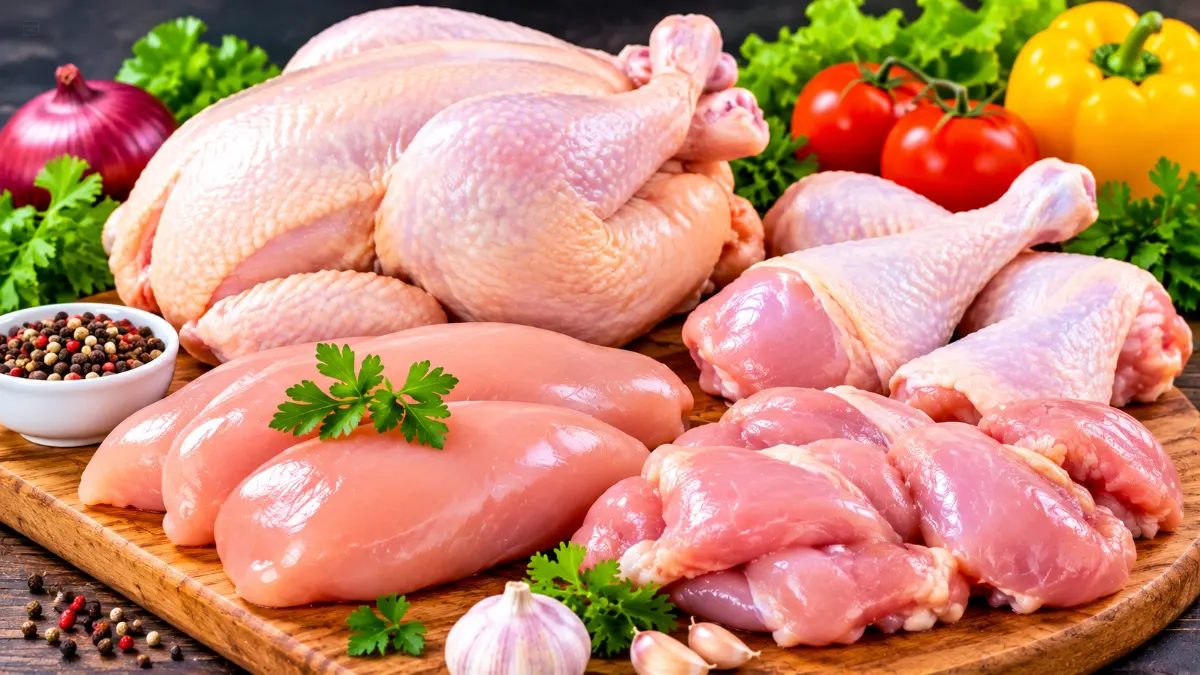
It is available in several forms, including fresh, frozen, boneless, skinless, whole, and processed products. Common cuts include breast, thighs, drumsticks, and wings.
Skinless breast is generally considered one of the leanest options, while thighs and wings usually contain more fat, depending on whether the skin is included.
Chicken Nutrition Facts
This food provides protein, vitamins, and minerals without naturally containing carbohydrates or fiber. The following table shows approximate nutrition information for 100 grams of cooked, skinless breast.
| Nutrient | Amount |
|---|---|
| Calories | 165 kcal |
| Protein | 31 g |
| Total Fat | 3.6 g |
| Saturated Fat | 1 g |
| Carbohydrates | 0 g |
| Sugar | 0 g |
| Fiber | 0 g |
| Cholesterol | 85 mg |
| Sodium | 74 mg |
| Potassium | 256 mg |
| Phosphorus | 228 mg |
Values are approximate and can vary by cut, preparation, and cooking method.
Important Nutrients
- Protein: Supports muscle growth, tissue repair, and normal body functions.
- Vitamin B6: Helps protein metabolism and supports nervous system function.
- Vitamin B12: Supports red blood cell formation and normal nerve function.
- Niacin (Vitamin B3): Helps the body convert food into energy.
- Selenium: Supports antioxidant defenses and thyroid function.
- Phosphorus: Helps maintain healthy bones and teeth.
- Zinc: Supports immune function and wound healing.
7 Health Benefits of Eating Chicken
1. Supports Muscle Growth and Repair
This protein-rich food contains essential amino acids that help repair muscle tissue after exercise and support muscle development.
The breast portion is especially popular among athletes and fitness enthusiasts because it provides a high amount of protein with relatively little fat.
2. Helps With Weight Management
Skinless breast meat is relatively low in calories and high in protein. Protein can increase feelings of fullness, which may help control hunger and reduce unnecessary snacking.
Including grilled or boiled portions in balanced meals can support weight-management goals.
3. Supports Bone Health
Poultry contains phosphorus and protein, which contribute to maintaining healthy bones and supporting normal body functions.
However, bone health also depends on adequate calcium, vitamin D, physical activity, and an overall balanced diet.
4. Supports Immune System Function
It provides nutrients such as selenium, zinc, and vitamin B6. These nutrients help maintain normal immune system function.
Eating it alongside fruits, vegetables, legumes, and whole grains can help provide a wider range of nutrients.
5. Helps Maintain Energy Production
This meat contains B vitamins, including niacin and vitamin B6. These vitamins help the body process carbohydrates, fats, and proteins to produce energy.
They also support normal nervous system function and metabolism.
6. Can Support Heart-Healthy Eating
Skinless poultry is generally lower in saturated fat than many fatty cuts of red meat.
Choosing fresh portions, removing the skin, and using moderate amounts of cooking oil and salt can make it a useful part of a heart-conscious eating pattern.
7. Provides Essential Amino Acids
It contains all nine essential amino acids required by the body. These amino acids support tissue maintenance, enzyme production, and several important biological processes.
This makes it a convenient protein option for people with different nutritional needs.
Read Also: Costco Chicken: Price, Nutrition, Ingredients, Calories, Health Benefits and Complete Guide
Different Types and Their Nutrition
Different cuts have different amounts of protein, fat, and calories.
| Cut | Main Nutritional Feature |
|---|---|
| Breast | High protein and relatively low fat |
| Thigh | Protein with more fat than breast |
| Drumstick | Protein and several B vitamins |
| Wings | Protein, with more fat when skin is included |
| Whole poultry | Provides a combination of different cuts |
The breast portion is often preferred for lean protein, while thighs and drumsticks are popular for their flavor and tenderness.
Healthy Ways to Cook Chicken
The cooking method can significantly affect the calories, fat, and sodium content of poultry.
Grilled Chicken
Grilling is a good option because it usually requires less added fat than deep frying. Use herbs, spices, and lemon juice for flavor.
Boiled Chicken
Boiled meat is useful for soups, salads, and simple meals. It can be prepared without adding much oil.
Baked Chicken
Baking poultry with vegetables, herbs, and a small amount of olive oil can create a balanced meal.
Roasted Chicken
Roasted meat can provide protein and important nutrients. Choose moderate amounts of oil and avoid excessive salt.
Homemade Chicken Curry
Curry can be part of a healthy diet when prepared with moderate oil, salt, and nutritious ingredients such as tomatoes, onions, and vegetables.
Chicken Breast vs. Chicken Thigh: Which Is Healthier?
Both cuts are nutritious, but they differ in their nutritional composition.
- Breast: Generally contains more protein per calorie and less fat.
- Thighs: Usually contain more fat and calories but provide protein and important nutrients.
- Best choice: Breast meat may be preferable for lower-fat meals, while thighs can be included in a balanced diet based on personal preferences.
Neither cut is automatically unhealthy. Portion size and preparation method are important.
Possible Side Effects and Health Risks
This food can be nutritious, but improper handling and certain preparation methods can create health risks.
1. Food Poisoning
Raw or undercooked poultry may contain harmful bacteria, including Salmonella and Campylobacter. These bacteria can cause diarrhea, fever, vomiting, and stomach cramps.
Cook all poultry to an internal temperature of 165°F (74°C), measured with a food thermometer.
2. Excess Sodium
Processed poultry products, frozen nuggets, and packaged meals may contain high amounts of sodium.
Excessive sodium consumption can contribute to high blood pressure. Choose fresh products and check nutrition labels.
3. Extra Calories From Fried Chicken
Deep-fried portions often contain additional calories and fat because of breading and cooking oil.
Eating fried foods frequently may make it harder to manage calorie intake.
4. Processed Chicken Products
Sausages, nuggets, and other processed products may contain added sodium, preservatives, and refined ingredients.
Fresh, minimally processed meat is generally a better everyday choice.
5. Possible Allergic Reactions
An allergy to poultry meat is uncommon but possible. Symptoms may include skin irritation, digestive discomfort, or breathing difficulties.
Seek immediate medical attention if you experience a severe allergic reaction.
How Much Chicken Should You Eat?
The amount you need depends on your age, activity level, overall diet, and health requirements.
For many adults, approximately 85–115 grams of cooked poultry can be a practical serving for a meal.
People who exercise regularly may require more protein, while individuals with certain medical conditions may need personalized dietary guidance.
Include vegetables, fruits, whole grains, and other nutritious foods alongside your protein source.

Chicken vs. Other Protein Sources
Poultry is not the only healthy protein option. Including different sources can help improve dietary variety.
| Food | Main Nutritional Benefit |
|---|---|
| Chicken Breast | Complete protein and relatively low fat |
| Eggs | Protein, choline, and vitamin B12 |
| Fish | Protein and omega-3 fats in oily fish |
| Lentils | Plant protein and dietary fiber |
| Tofu | Plant protein and minerals |
| Milk | Protein and calcium |
A combination of animal and plant-based protein sources can support a balanced eating pattern.
Tips for Buying, Storing, and Preparing Poultry Safely
Food safety is important when handling raw meat.
- Purchase fresh poultry from clean and reliable stores.
- Check packaging and expiration or use-by dates.
- Keep raw meat refrigerated at 40°F (4°C) or below.
- Store uncooked products separately from ready-to-eat foods.
- Do not wash raw poultry because splashing water can spread bacteria.
- Wash your hands and clean kitchen surfaces after handling raw meat.
- Cook until the internal temperature reaches 165°F (74°C).
- Refrigerate cooked portions within two hours.
- Use refrigerated cooked meat within 3–4 days.
Following these practices helps reduce the risk of foodborne illness.
Frequently Asked Questions (FAQs)
1. Is chicken healthy to eat every day?
It can be included regularly in a balanced diet because it provides complete protein and essential nutrients. However, eating a variety of protein sources is beneficial for nutritional balance.
2. Is chicken breast good for weight loss?
Yes. Skinless breast meat is high in protein and relatively low in calories. It can help increase fullness and support calorie management.
3. Which is healthier, breast or thigh?
Breast meat is generally leaner and contains less fat and fewer calories. Thighs provide protein too but usually contain more fat.
4. Is boiled chicken healthier than fried chicken?
Boiled meat generally contains less added fat than deep-fried preparations. It is a useful option for people looking for a lower-fat cooking method.
5. Can chicken help build muscle?
Yes. It provides complete protein and essential amino acids that support muscle repair and growth when combined with regular exercise and adequate nutrition.
6. How much protein is in 100 grams of chicken breast?
Approximately 31 grams of protein are found in 100 grams of cooked, skinless breast meat. The amount varies with preparation and moisture content.
7. Is chicken safe during pregnancy?
Properly cooked poultry can be included in a pregnancy diet as a source of protein and other nutrients. Avoid raw or undercooked meat and follow food-safety guidelines.
Conclusion
Chicken is a nutritious and versatile food that provides high-quality protein, B vitamins, selenium, phosphorus, and other essential nutrients. It can support muscle maintenance, energy production, and overall health when included in a balanced diet.
For healthier meals, choose fresh, skinless portions and prepare them by grilling, boiling, baking, or roasting. Limit deep-fried and heavily processed products, and always follow proper food-safety practices.
Combining lean protein with vegetables, fruits, whole grains, and other nutritious foods can help you maintain a varied and balanced diet.