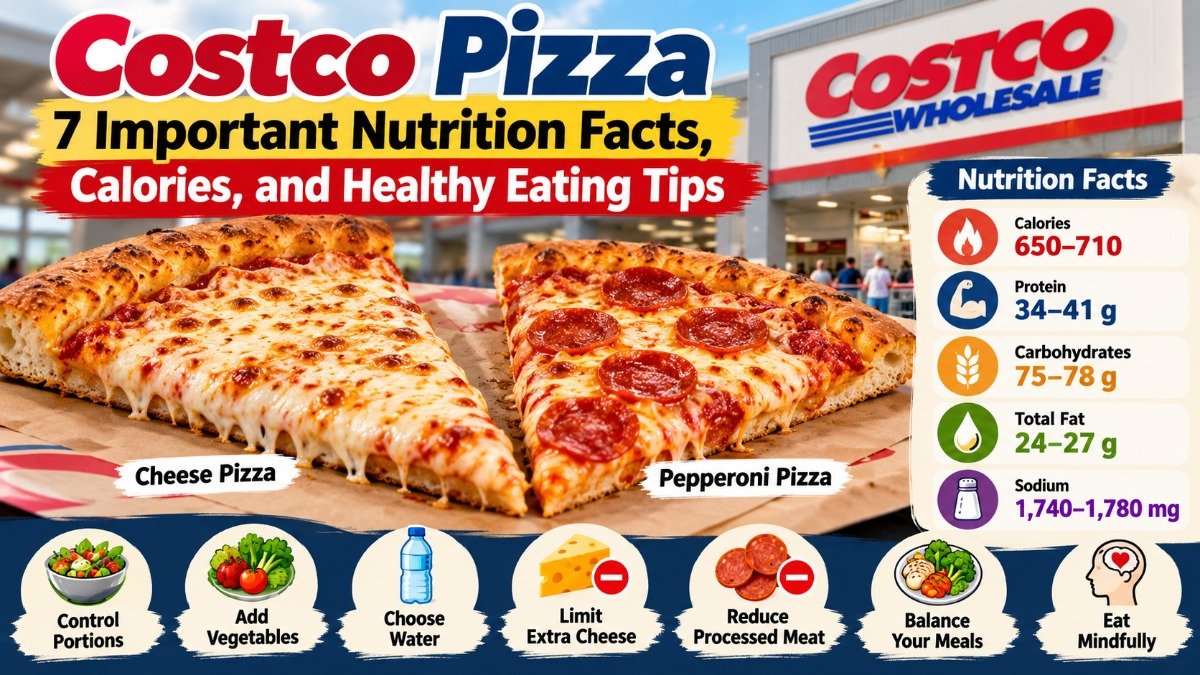

Pizza delivery makes enjoying a delicious meal at home convenient, but choosing the right pizza can also support a balanced diet. From vegetable toppings and whole-grain crusts to portion control and food safety, several factors determine how healthy your delivered pizza will be.
Ordering pizza doesn’t automatically mean eating unhealthy food. The nutritional value depends on its ingredients, preparation method, serving size, and accompanying drinks or side dishes.
This guide explains how pizza delivery works, its nutritional benefits and health risks, seven healthier ordering options, and important food safety practices.
What Is Pizza Delivery?
Pizza delivery is a restaurant service that allows customers to order freshly prepared pizzas through websites, mobile applications, or phone calls.
Customers select their preferred crust, toppings, size, and additional items before completing payment. The restaurant prepares the order and sends it to the customer’s address.
Popular pizza delivery choices include cheese pizza, pepperoni pizza, vegetable pizza, Margherita pizza, and chicken pizza.
Delivery services are convenient for busy families, office workers, students, and anyone seeking a quick meal without cooking.
Is Pizza Delivery Healthy or Unhealthy?
Pizza delivery can be healthy in moderation when it includes nutritious ingredients and reasonable portions.
Pizza provides carbohydrates for energy, protein from cheese or meat, and calcium from dairy ingredients. Vegetable toppings can contribute fiber, vitamins, and minerals.
However, pizzas containing excessive cheese, processed meats, and high-sodium sauces may increase saturated fat, sodium, and calorie intake.
The American Heart Association recommends limiting sodium, saturated fats, and processed meats while emphasizing vegetables, whole grains, and healthier food choices.
Therefore, selecting nutritious toppings and managing portions makes pizza delivery more compatible with healthy eating.
7 Best Healthy Pizza Delivery Options
1. Vegetable Pizza
Vegetable pizza is an excellent option for increasing vegetable intake.
Common toppings include spinach, mushrooms, tomatoes, bell peppers, and onions. These ingredients provide nutrients and flavor without requiring additional processed meat.
2. Thin-Crust Pizza
Thin-crust pizza generally contains less dough than thick-crust alternatives of similar size.
Depending on the recipe, this may reduce carbohydrate and calorie intake. However, toppings and portion sizes still influence its overall nutritional value.
3. Whole-Wheat Pizza
Whole-wheat pizza crust can provide more dietary fiber than traditional refined-flour crust.
Fiber supports digestive health and contributes to a balanced eating pattern. Check the ingredient list because some products labeled wheat crust contain mostly refined flour.
4. Grilled Chicken Pizza
Grilled chicken provides protein that supports muscle maintenance and other essential body functions.
Choose grilled rather than breaded chicken when possible, and consider limiting cheese-heavy sauces.
5. Margherita Pizza
Traditional Margherita pizza contains tomato sauce, mozzarella, and basil.
Its relatively simple topping combination makes it easier to identify ingredients, although sodium, saturated fat, and calorie levels still depend on serving size and preparation.
6. Reduced-Cheese Pizza
Ordering pizza with less cheese can reduce saturated fat and calories, depending on the restaurant’s recipe.
Add vegetables or herbs to maintain flavor without relying on extra cheese.
7. Build-Your-Own Pizza
Customized pizza allows greater control over crust, toppings, cheese, and sauces.
Combine vegetables, moderate cheese, and a suitable protein source to create a meal that better matches your dietary needs.
Read Also: Soul Food: 15 Traditional Dishes, History, and Recipes
Pizza Delivery Nutrition Facts
The nutritional content of pizza varies according to its size, crust thickness, cheese quantity, and toppings.
| Nutrient | Role in the Body | What to Consider |
| Carbohydrates | Supply energy | Choose appropriate portions |
| Protein | Supports tissue maintenance | Consider lean toppings |
| Calcium | Supports bones and teeth | Often provided by cheese |
| Fiber | Supports digestive function | Choose vegetables and whole grains |
| Saturated fat | Needed only in limited amounts | Avoid excessive cheese and fatty meats |
| Sodium | Supports fluid and nerve functions | Compare sodium levels |
In the United States, many restaurant chains with 20 or more locations must provide calorie information for standard menu items. Additional nutritional information is also available upon request at covered establishments under FDA requirements.
Reviewing these details helps customers compare pizza delivery options before ordering.
Health Risks of Eating Too Much Delivered Pizza
Eating large quantities of calorie-dense pizza regularly may contribute to excessive energy intake and weight gain.
High-sodium pizzas may also be unsuitable for people managing high blood pressure, while excessive saturated fat can contribute to unfavorable cholesterol levels.
People with diabetes should consider the carbohydrate content of pizza crust, sauces, and accompanying beverages.
Individuals with food allergies must check ingredients carefully because pizza commonly contains wheat and milk. Cross-contact may also occur during preparation.
These concerns do not mean everyone must avoid pizza. Portion control and informed ingredient choices are more practical approaches.
How to Order Healthy Pizza Delivery
Before ordering, compare available menu options and choose ingredients that match your nutritional goals.
Select vegetables, consider a thinner or whole-grain crust, and avoid automatically adding extra cheese.
Instead of ordering multiple high-calorie sides, consider a salad or vegetable dish.
Choose water or unsweetened beverages rather than sugary soft drinks.
For weight management, pay attention to the total meal rather than counting pizza slices alone, since slice sizes differ considerably.
Pizza Delivery Food Safety Tips
Food safety is important because prepared meals can become unsafe when stored or transported without appropriate temperature control.
The USDA advises refrigerating perishable foods within two hours, or within one hour when temperatures exceed 90°F (32°C).
When receiving delivered pizza, check the packaging, wash your hands before eating, and refrigerate leftovers promptly.
Avoid eating pizza if there is evidence of contamination or unsafe handling. Food can also contain harmful bacteria without showing obvious spoilage.
How to Store and Reheat Leftover Pizza
According to the USDA, properly refrigerated pizza can generally be stored for three to four days at 40°F (4°C) or below.
Store leftover slices in covered containers and refrigerate them promptly.
Reheat leftovers to an internal temperature of 165°F (74°C) before eating.
Never rely on reheating to make pizza safe after prolonged improper storage.
How to Choose a Reliable Pizza Delivery Service
A dependable pizza delivery restaurant should offer transparent ingredients, suitable packaging, clear allergen information, and accurate order details.
Customers should also consider delivery charges, estimated arrival times, and available nutritional information.
For people following specialized diets, contacting the restaurant directly can help clarify ingredients and potential cross-contact risks.
Frequently Asked Questions About Pizza Delivery
1. Is pizza delivery healthy for everyday eating?
Pizza can fit into a balanced diet, but eating high-calorie, high-sodium varieties every day may make it difficult to meet nutritional goals. Variety and portion control remain important.
2. What is the healthiest pizza to order?
Vegetable-topped pizza with a thin or whole-grain crust and moderate cheese is often a practical healthier choice. Compare nutrition information when available.
3. Can I eat delivered pizza while losing weight?
Yes. Pizza can fit into a weight-management plan when overall calorie intake and portion sizes are appropriate.
4. How long can delivered pizza stay unrefrigerated?
Perishable pizza should generally not remain unrefrigerated for more than two hours, or one hour when temperatures exceed 90°F (32°C). Time spent without safe temperature control during delivery also counts.
5. How many days can leftover pizza last in the refrigerator?
Properly refrigerated pizza generally remains safe for three to four days when stored at 40°F (4°C) or below.