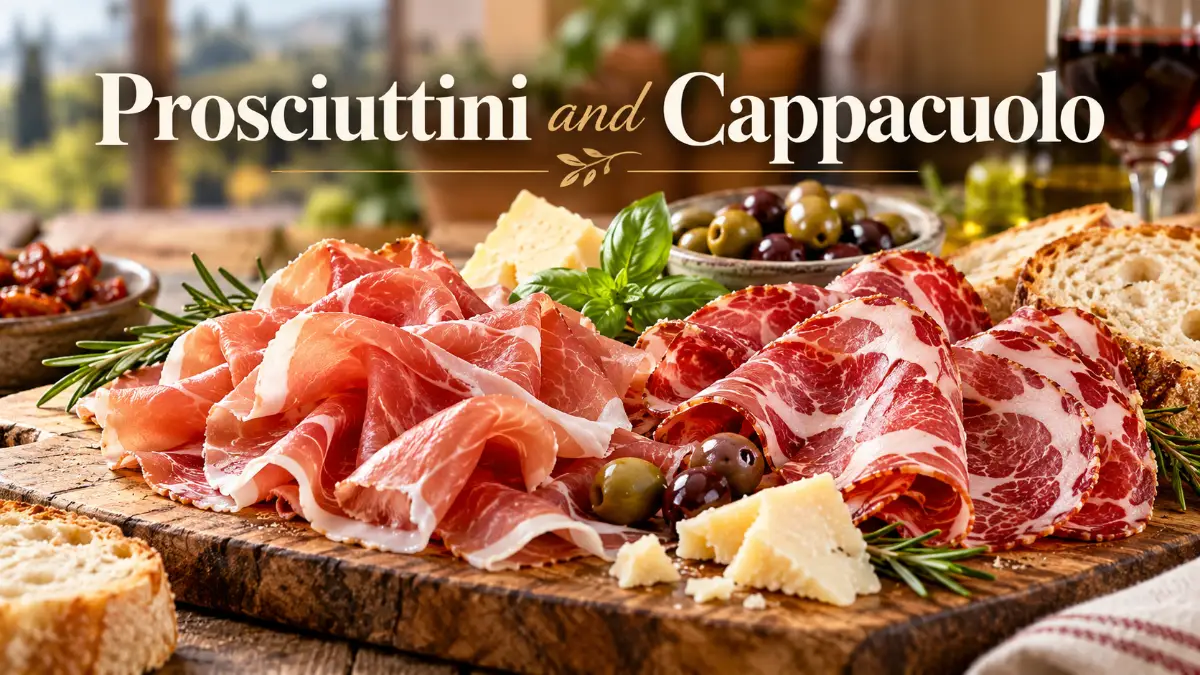
Prosciuttini and Cappacuolo are Italian-style pork deli meats commonly used in sandwiches, Italian subs, and antipasto platters. Prosciuttini typically refers to seasoned or pepper-coated ham, while Cappacuolo, also known as capicola or capocollo, is traditionally prepared from the pork neck and upper shoulder. Both provide protein, but their sodium content and processed-meat health risks make occasional consumption a better choice than daily use.
Although these meats share Italian culinary traditions, they differ in flavor, texture, preparation, and nutritional composition. Understanding these differences can help you choose appropriate portions and make healthier dietary decisions.
What Are Prosciuttini and Cappacuolo?
What Is Prosciuttini?
Prosciuttini is a deli-meat name often associated with pepper-coated ham. Its exact preparation depends on the manufacturer.
For example, Citterio Prosciuttini Peppered Ham is described by its manufacturer as oven-roasted ham coated with cracked black pepper. It is made from whole-muscle ham rather than necessarily being a traditional dry-cured prosciutto.
Prosciuttini usually has a savory, moderately salty, peppery flavor. Thin slices make it suitable for cold sandwiches and deli platters.
What Is Cappacuolo?
Cappacuolo is an Italian-American spelling associated with capocollo, commonly called capicola in the United States.
Traditional capocollo comes from the pork neck and upper shoulder. It is seasoned, cured, and often aged to develop its distinctive flavor.
Depending on the region, similar products may be called coppa or capocollo. However, their preparation methods and specifications can vary.
Capicola often has noticeable fat marbling, creating a tender texture and rich taste. Varieties may be sweet, mild, or spicy.
Prosciuttini vs. Cappacuolo: Main Differences
| Feature | Prosciuttini | Cappacuolo |
| Primary pork cut | Usually ham | Neck or upper shoulder |
| Typical flavor | Peppery and savory | Rich, seasoned, sometimes spicy |
| Texture | Often lean and firm | Tender and marbled |
| Preparation | Varies; may be oven-roasted | Traditionally cured and aged |
| Common uses | Deli sandwiches | Italian subs and antipasto |
| Fat content | Product-dependent | Often higher in marbled varieties |
Neither product is automatically healthier. Nutrition depends on its ingredients, manufacturing process, and serving size.
Read Also: Cappacuolo: What It Is, How It Tastes, and Whether It’s Capicola.
Prosciuttini and Cappacuolo Nutrition Facts
Both provide protein, but their nutritional values differ between products.
The following table compares two identifiable products or food-service listings using the same serving size.
Nutrition Comparison per 2 oz (56 g)
| Nutrient | Prosciuttini Peppered Ham* | Sliced Capicola Ham** |
| Calories | 70 | 61 |
| Protein | 10 g | 9.1 g |
| Total fat | 1.5 g | 1.5 g |
| Saturated fat | 0.5 g | 1.5 g |
| Sodium | 590 mg | 516.4 mg |
| Carbohydrates | 3 g | 2 g |
*Prosciuttini: Black Bear Deli product listing. **Capicola: Salisbury University dining nutrition listing. These are product-specific examples, not universal values for all Prosciuttini or traditional dry-cured Cappacuolo.
The comparison demonstrates why checking nutrition labels matters. Some traditionally dry-cured, heavily marbled products may contain considerably more fat than the examples above.
For additional information, consult USDA FoodData Central.
Health Benefits of Prosciuttini and Cappacuolo
1. Provide Protein
Protein supports muscle maintenance, tissue repair, and essential biological functions.
Both meats contribute protein to meals, although fresh fish, poultry, beans, and lentils are preferable for frequent consumption because they can reduce reliance on processed meat.
2. Supply B Vitamins
Pork contains B vitamins, including vitamin B12, which supports red blood cell formation and nervous system health.
The amounts depend on the pork cut and product formulation.
3. Contain Important Minerals
These meats can provide iron and zinc. Iron supports oxygen transport in the blood, while zinc contributes to immune function and normal wound healing.
However, these nutritional benefits do not eliminate the risks associated with high processed-meat consumption.
Are Prosciuttini and Cappacuolo Healthy?
Prosciuttini and Cappacuolo can be enjoyed occasionally as part of a balanced diet, but they are not generally recommended as everyday protein sources.
Both fall within the processed-meat category because processing techniques such as curing, salting, or preservation modify the original meat.
The World Health Organization classifies processed meat as carcinogenic to humans based on sufficient evidence that consumption causes colorectal cancer.
This classification reflects the strength of scientific evidence, not that processed meat is equally dangerous as smoking.
Potential Health Risks
High Sodium and Blood Pressure
Sodium is one of the main nutritional concerns with deli meats.
High sodium consumption can contribute to elevated blood pressure and increase cardiovascular risk.
For adults, the American Heart Association recommends limiting sodium to 2,300 mg daily, ideally moving toward 1,500 mg for most adults.
A sandwich containing multiple portions of cured meat, cheese, and salty condiments can contribute substantial sodium in one meal.
Saturated Fat and Cholesterol
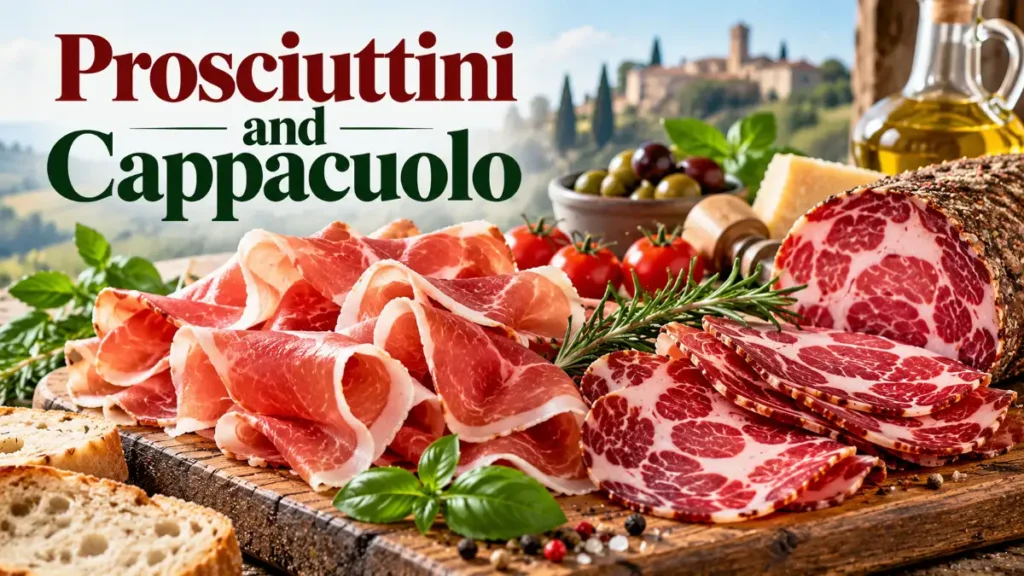
Some varieties of Cappacuolo contain considerable marbling.
Foods high in saturated fat can raise LDL cholesterol, increasing cardiovascular risk over time.
Choosing leaner cuts and limiting portions can help reduce saturated fat intake.
Processed Meat and Colorectal Cancer
The WHO reports that an analysis of ten studies estimated an approximately 18% increase in relative colorectal cancer risk for every 50 grams of processed meat consumed daily.
This does not mean an individual has an 18% chance of developing cancer. It describes a relative increase in risk associated with habitual consumption.
Occasionally eating a small serving is not equivalent to consuming processed meat every day.
How to Eat Prosciuttini and Cappacuolo More Healthily
You can enjoy their flavor while limiting sodium and processed-meat consumption.
- Use smaller portions instead of stacking multiple layers of cured meat.
- Add tomatoes, spinach, lettuce, cucumbers, and other vegetables.
- Choose whole-grain bread for additional fiber.
- Limit extra salt, processed cheese, and sodium-heavy sauces.
- Rotate with fresh chicken, fish, legumes, and other minimally processed proteins.
For example, a whole-grain sandwich with a modest amount of Prosciuttini, tomato, arugula, and avocado offers more dietary variety than a sandwich containing several processed meats.
Are Prosciuttini and Cappacuolo Safe During Pregnancy?
Pregnant individuals should avoid eating refrigerated deli meats cold unless they have been properly reheated.
During pregnancy, the CDC recommends heating refrigerated deli meats, cold cuts, and fermented or dry sausages to 165°F (74°C) or until steaming hot before eating. This helps reduce the risk of Listeria infection
Older adults and individuals with weakened immune systems should also follow appropriate food-safety precautions.
Proper Storage and Food Safety
Safe storage depends on whether the meat is deli-sliced, packaged, or a whole dry-cured product.
According to FoodSafety.gov storage guidelines, opened or deli-sliced luncheon meats generally remain refrigerated for three to five days at 40°F (4°C) or below.
Unopened packaged luncheon meat generally has a different storage period, while certain whole or cut dry-cured products may last longer.
Always follow the manufacturer’s instructions and observe expiration dates.
Discard meat that develops unusual odors, sliminess, or other spoilage signs. However, harmful bacteria may be present without visible spoilage.
Frequently Asked Questions
1. What is the difference between Prosciuttini and Cappacuolo?
Prosciuttini is generally a seasoned ham-style deli product, often coated with black pepper. Cappacuolo typically comes from the pork neck or upper shoulder and may be traditionally dry-cured. Cappacuolo is often richer and more marbled.
2. Are Prosciuttini and Cappacuolo healthy?
Both provide protein and certain nutrients, but their sodium content and processed-meat health risks make occasional consumption preferable. Choosing smaller portions and eating fresh protein sources more frequently supports healthier dietary habits.
3. How many calories are in Prosciuttini and Cappacuolo?
A listed Prosciuttini product contains 70 calories per 2-ounce serving, while one food-service capicola ham listing contains approximately 61 calories. Other products may have substantially different calorie counts.
4. Can you eat Prosciuttini and Cappacuolo while losing weight?
Yes. Small portions can fit into a calorie-controlled diet. However, weight management depends on overall calorie intake, food quality, and dietary habits rather than one particular food.
5. Can Prosciuttini and Cappacuolo be eaten without cooking?
Many commercially prepared versions are ready to eat, but preparation requirements differ. Check the package instructions. Pregnant individuals should reheat refrigerated deli meats to 165°F or until steaming hot before consumption.
Conclusion
Prosciuttini and Cappacuolo are distinctive Italian-style deli meats with different cuts, preparation methods, and flavors. Both supply protein and certain micronutrients, but their sodium levels, possible saturated fat content, and processed-meat health risks are important considerations. For a balanced diet, enjoy these meats occasionally, monitor serving sizes, and combine them with vegetables and whole grains. Fresh, minimally processed proteins remain better everyday choices for supporting long-term health.