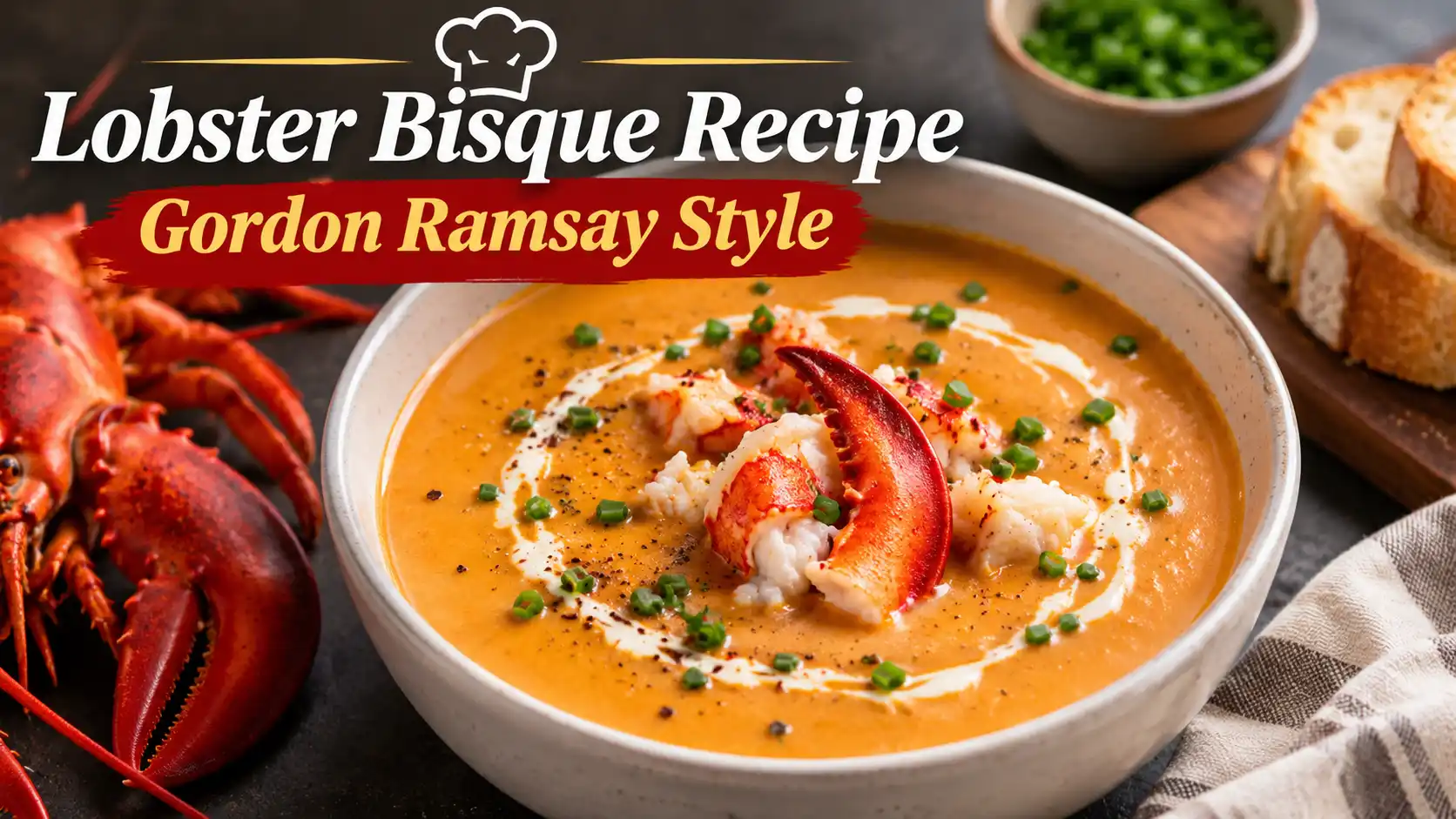
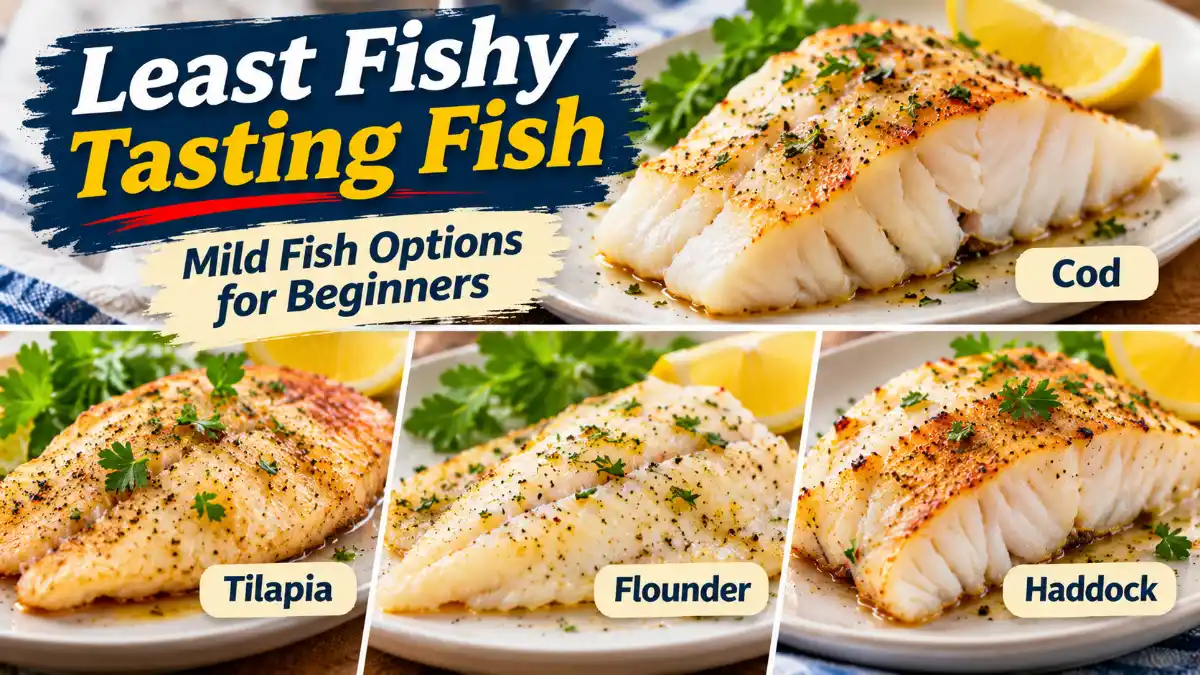
The least fishy-tasting fish include tilapia, cod, flounder, sole, haddock, and pollock. These types of fish provide a mild-flavored alternative to other types of fish with stronger, more fishy flavors which many people find objectionable. Tilapia is especially bland, and cod provides a slight sweetness along with a firm and flaky texture. Both are good choices for people who are just beginning to try eating fish, but there is no one type of fish that will be the least fishy for all individuals.
Other excellent alternatives to use are; Halibut, Whiting, Red Fish, and some varieties of Cat Fish. Your selection will depend upon your personal preference, the freshness of the fish, and how you plan to prepare the fish. As long as you handle and store properly frozen fish, it may be equally tasty as fresh fish.
10 Least Fishy Tasting Fish to Try
White fish are particularly popular with those who don’t like more intense seafood flavors, and many mild tasting fish have delicate flavors that are enhanced by lemon, garlic, herbs and other simple seasonings.
Fish
Flavor
Texture
Best Cooking Method
Tilapia
Very mild, slightly sweet
Tender, medium-firm
Pan-searing, baking
Cod
Mild, slightly sweet
Firm, large flakes
Baking, frying
Flounder
Delicate, subtly sweet
Thin, tender
Light pan-frying
Sole
Mild, slightly sweet
Soft, delicate
Pan-frying, baking
Haddock
Mild, subtly sweet
Tender, flaky
Baking, frying
Pollock
Mild, delicate
Soft, flaky
Fish tacos, frying
Halibut
Mild, slightly sweet
Firm, meaty
Grilling, baking
Whiting
Mild, slightly sweet
Tender, flaky
Pan-frying
Redfish
Mild to moderate, depending on species
Firm, moist
Grilling, pan-searing
Catfish
Mild to earthy
Firm, moist
Frying, baking
Tilapia
Tilapia is an excellent option for individuals that do not enjoy eating fish. Tilapia has a very mild taste, which makes it less likely to be overwhelming if prepared correctly. The soft texture of tilapia allows it to easily absorb other flavors, such as those found in lemon-garlic dishes and fish tacos.
It is also commonly sold fresh or frozen in American supermarkets.
Cod
For those individuals that want a type of fish that has no “fishy” taste, yet would like to have a more firm texture compared to tilapia, cod is a perfect option.
Its large flakes stay intact when you cook it. A simple beginner’s recipe is baked cod in olive oil, lemon juice, and herbs.
Flounder
Flounder has small, thin fillets that are easily cooked, as well as being relatively fragile. People who find large, heavy cuts of fish unappealing will enjoy its light, flaky texture.
Light pan-frying or baking helps preserve its tenderness.
Sole
Sole is an easy-going fish with tender meat and a subtle sweet taste. For those who are sensitive to the strong flavor of other types of seafood, sole is a great option.
Pan-fry with some butter and lemon to bring out its own natural flavors.
Haddock
Haddock has a taste similar to that of cod; however, it tends to have a softer texture than cod. It is frequently utilized in baking of various types of seafood, in making fish sandwiches and in preparing the classic dish of “fish and chips.”
It is also a practical alternative when cod is unavailable.
Pollock
Alaska pollock can be used as a replacement for other fish types such as cod, haddock, or tilapia when making fish tacos. Alaska pollock is a popular choice for many types of frozen seafood products, but is also sold in its raw form (i.e., raw fillet).
Its light flavor makes it another good white fish for beginners.
Halibut
Halibut offers both a delicate sweet flavor and a dense, substantial consistency. Those individuals who enjoy eating larger cuts of fish which will stay in one piece while being prepared find halibut particularly attractive.
Halibut is typically more expensive than many other commonly eaten types of fish (i.e. tilapia and pollock); however, the price of each type can vary.
Whiting
Whiting is known for having a tender white flesh with a mild flavor. Typically, whiting can be cooked through either pan-frying or baking with basic seasonings.
It may also provide an alternative to cod or haddock when available in your area.
Redfish
People looking for a fish with a milder flavor profile and a slightly firmer meat may find redfish to be a good option. The flavor of each type of redfish will vary based upon the specific species; however, some species are known to have a stronger flavored meat than others.
It works particularly well when grilled or pan-seared.
Catfish
Farm-raised catfish can have an extremely mild flavor, but on occasion, the flavor of a farm-raised catfish will be significantly more earth-like, depending upon where the fish was grown and how it has been handled.
For those people who are very sensitive to strong, earthy flavors, then cod or tilapia may be a better option for them to start with.
What Does Redfish Taste Like?
The taste of redfish varies depending upon the type of fish; however, in most cases, the flavor has been referred to as being either very light to moderate in intensity and occasionally sweet.
When thinking about the flavor of redfish, it is necessary to differentiate between the Gulf Coast red drum and the Acadian redfish. The red drum has a more pronounced flavor, whereas the Acadian redfish is generally mild and has a slight sweetness to its taste.
Red drum is part of the drum fish family, as well as the black drum. Both of these fish are commonly used in American coastal cuisine and especially for grilling or blackening.
Someone that likes to eat Cod but wants a little bit stronger of a seafood flavor might like Red Drum. Acadian Redfish might be better for someone that wants a milder tasting fish.
Which Mild Fish Is Best for You?
The right decision will depend on what type of fillet you would like (tender, flaky, etc.) as well as how much of an impact the taste of the fish will have on your meal.
Beginners should find Tilapia and Cod very approachable for taste, and easy to prepare.
: Picky eaters will love flounder and sole. Both of these fish have a soft texture with a hint of sweetness.
For families: cod, tilapia, haddock, pollock, flounder and sole are all reasonable low-mercury alternatives.
Compare prices on frozen tilapia, frozen pollock, and frozen whiting for those who are shopping within their budget. Prices may differ depending upon where you shop and which store you choose.
Cod and halibut are preferred over the softer, more delicate fish like sole because they can withstand being handled during preparation and cooking.
For fish tacos: Pollock, cod, and tilapia pair well with mild seasonings.
Frozen cod or frozen tilapia fillets are good options when purchasing your very first order of fish, as both types of fish are easy to cut into portions and prepare.
Read Also: What Does Salmon Look Like When It’s Done? Color, Texture, and Doneness
How to Make Fish Taste Less Fishy
Freshness, storage, and preparation are what determines the level of enjoyment when eating fish. Unpleasant odors may develop if the fish has been stored poorly; however, poor storage is primarily responsible for the dryness and textural differences that occur from overcooking.
Choose Fresh or Properly Frozen Fish
Fresh fish should smell mild rather than sour, strongly fishy, or ammonia-like.
Frozen fish can also be practical as long as you handle it correctly. Do not use fish with damaged packaging or too many ice crystals because this could mean that the fish was kept in storage for a long time or experienced large changes in temperature.
Thaw and Store Fish Safely
To thaw your frozen fish quickly, you can use a plastic bag that is tightly sealed and then submerge the closed bag in cold water. You will need to change the cold water frequently.
Fresh seafood should always be kept cold, in a refrigerator at 40°F (4°C) or colder. When fresh fish cannot be used within 2 days after purchase, it is usually better to freeze it.
Use Gentle Seasonings
Lemon juice, garlic, parsley, dill, and olive oil enhance the subtle flavors of most fish while allowing the fish to retain its own distinctive taste.
A short marinade is another option that can be used. However, if you leave your thin cutlets in acidic ingredients for too long, the acid will affect the texture of the cutlet.
Avoid Overcooking
When you overcook fish, it may dry out and become tough. This will affect how much you enjoy the fish, even if the fish has a subtle flavor.
Cooking with a baking method and/or cooking using a pan-searing method are very simple ways to begin learning how to cook. When it comes to cooking fish, please make sure the fish is cooked until its internal temperature reaches 145 degrees Fahrenheit (or 63 degrees Celsius) to ensure that the fish is safe to eat.
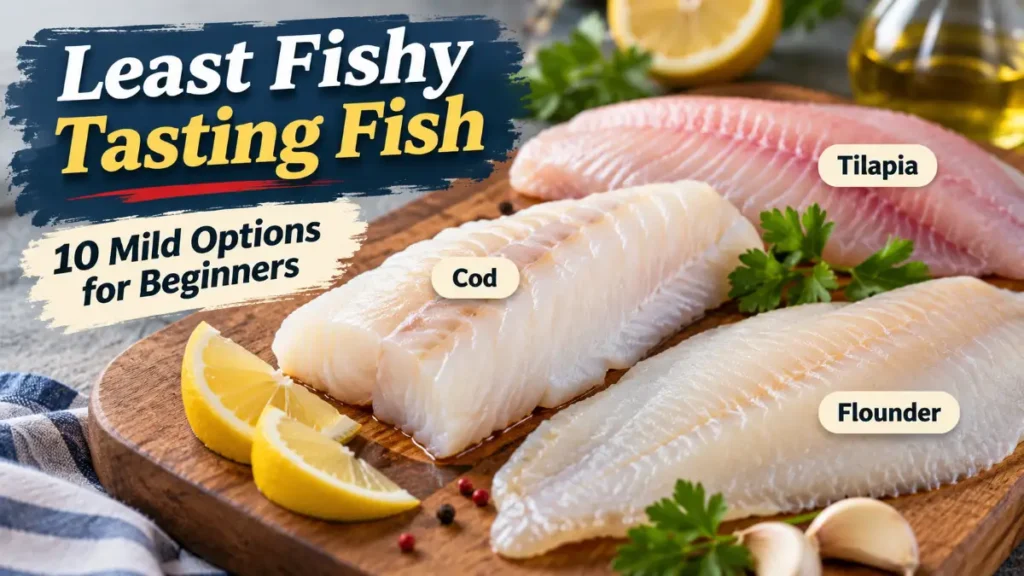
How to Tell Whether Fish Is Fresh
Stronger natural flavors of seafood do not necessarily indicate that the fish has gone bad; however, extreme fishy, sour, or ammonia-like smells may be an indication that the product is spoiling.
Freshly cut fillets will usually be quite firm, with very little evidence of edge-drying or discoloration.
Lemon juice, vinegar, spices, or cooking the food longer will never make spoiled fish safe. Seasoning can’t change the fact that the fish has spoiled.
Are Mild-Tasting Fish Low in Mercury?
The most commonly eaten mild fish (cod, tilapia, flounder, sole, haddock, and pollock) are listed in the “Best Choice” column of the mercury exposure chart.
Halibut is included in the “Good Choices” group which means that how often people can eat halibut depends on how much mercury is in other fish that are considered “Good Choices.”
Pregnant women and breastfeeding mothers need to be aware of these differences. Also, families who prepare fish/seafood for young children should know about these differences. The appropriate amount of food and how often you can eat it will vary depending on your child’s age, and other factors.
Frequently Asked Questions
1. What is the least fishy tasting fish for beginners?
Tilapia and cod are excellent starting choices. Tilapia has a particularly subtle flavor, while cod offers a mildly sweet taste and firmer flakes.
2. Which fish tastes the least like seafood?
Tilapia, sole, and flounder are among the most delicate options. Their mild flavors make them appealing to people who dislike a pronounced seafood taste.
3. Is salmon more fishy tasting than cod?
Yes, salmon generally has a richer, more distinctive flavor than cod. People seeking a lighter, more neutral taste may prefer cod.
4. Does frozen fish taste fishier than fresh fish?
Not necessarily. Properly frozen and stored fish can retain a pleasant flavor. Handling and storage conditions matter more than whether the fish was previously frozen.
5. What is the easiest way to prepare mild fish?
Choose a cod or tilapia fillet, add olive oil, lemon, garlic, and herbs, then bake or pan-sear it until safely cooked. Simple seasoning allows the fish’s delicate flavor to remain the focus.